
In recent years, Estonian restaurants have undergone a quiet but powerful transformation, one that centers not on imported wines or global cocktails, but on the rich, local spirits that have long been part of the country’s cultural fabric. Among wild-harvested gins, oak-aged aquavits, and foraged berry cordials, craft beverages are no longer just novelty items—they are now integral expressions of Estonian gastronomy.
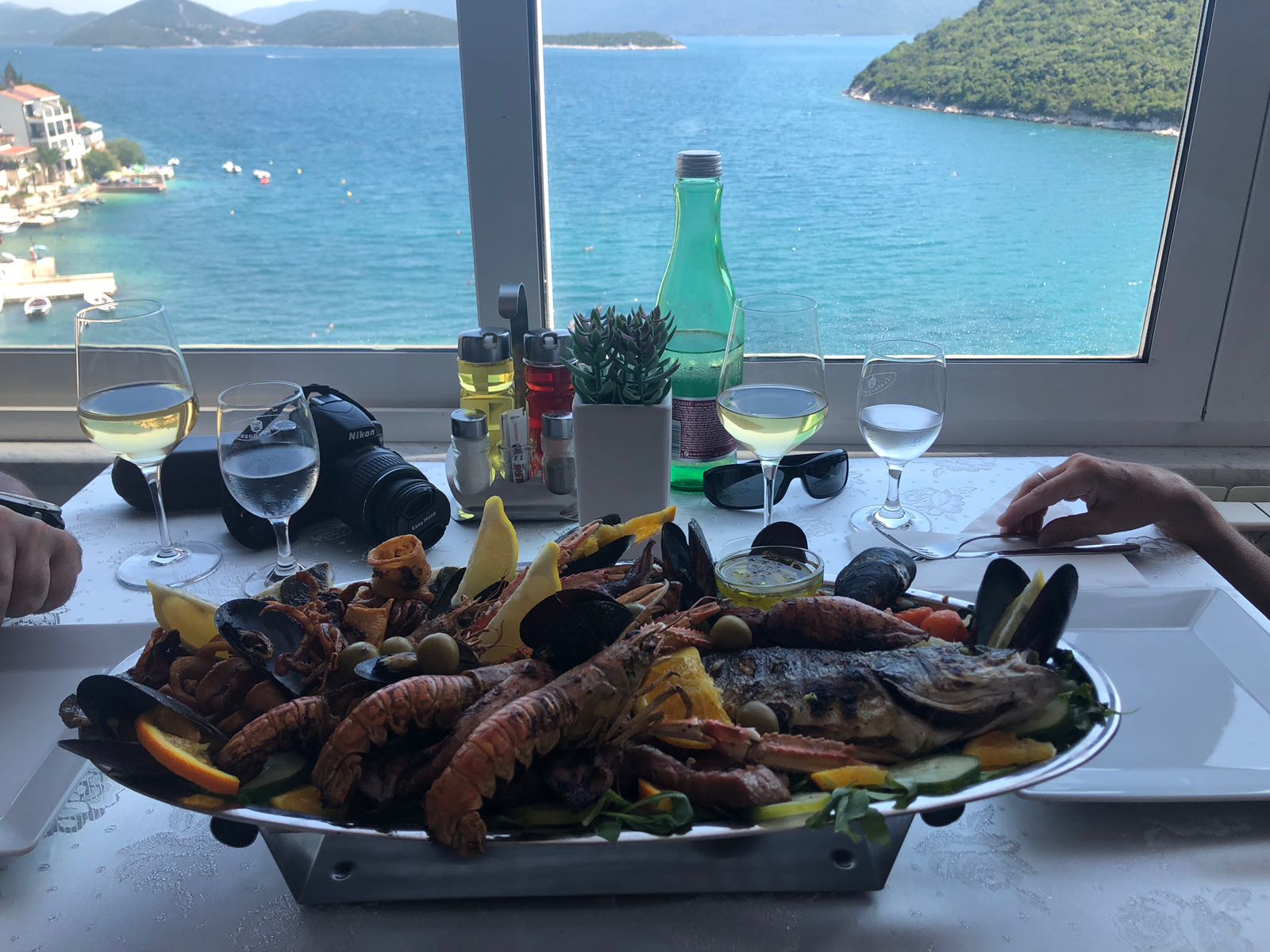
Estonian chefs and sommeliers are working hand in hand with small distillers to create menus that tell a story. A plate of cured salmon might be paired with a gin distilled from local juniper berries and wild lingonberries, while a slow-roasted venison dish finds its perfect match in an aquavit aged in oak barrels that once held Estonian apple cider. These pairings are not arbitrary; they reflect a deep respect for terroir and tradition, reimagined through modern technique.
What sets these craft spirits apart is their authenticity. Many are made in handcrafted quantities by local producers sourcing directly from wild lands and family plots. The juniper used in one distillery’s gin might come from the untouched slopes of southern Estonia, while another producer distills their liqueur using wild cloudberries gathered in the north. This connection to place gives each bottle a sense of identity that mass-produced alternatives simply cannot replicate.
Restaurants have responded by dedicating space on their menus to local spirits, often featuring them in cocktails that highlight seasonal flavors. A spring menu might include a refreshing blend of birch juice, wildflower honey, and herbal tinctures, while autumn brings warmth through spiced pear brandy and smoked walnut bitters. These drinks are not just accompaniments—they are living expressions of Estonia’s flora, fauna, and folklore.
The rise of craft beverages has also fostered new collaborations. Restaurants now host distiller nights, offering guests the chance to meet the makers behind their drinks and taste limited editions. Some even offer guided excursions to local production sites, weaving dining into an immersive cultural expedition.
This movement is more than a trend; it’s a reawakening of national pride. In a world where homogenized dining prevails, Estonian dining has found its voice in the quiet hum of a copper still and the scent of wild herbs drying in the sun. Local spirits are no longer just drinks—they are emblems of survival, innovation, and ancestral devotion. And teletorni restoran for those who sit down to eat in an Estonian restaurant today, they are the quiet heartbeat of the meal itself.